Video language: Hindi
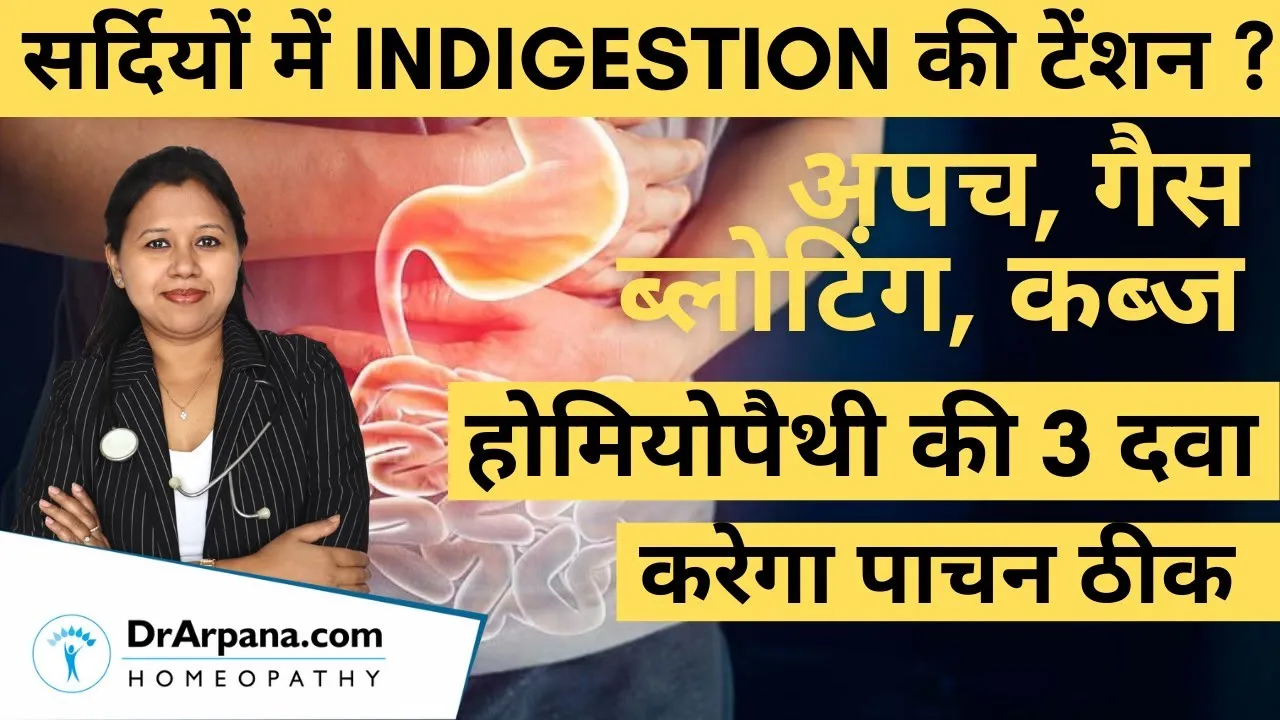
Many people notice more indigestion, burning in the chest, gas and sour belching in winter. Heavier food, less movement and more celebrations all add up, and the digestive system can feel weaker.
Why Digestion Troubles Rise in Winter
Dr. Arpana explains that at the lower end of the food pipe there is a valve-like opening, called the lower esophageal sphincter, which normally stays closed. When it loosens, food and stomach contents can come back up, causing burning in the chest or throat and sour water in the mouth. She links this in winter to less sunshine and lower vitamin D, which she says can make the valve slightly loose.
She also points to everyday winter habits:
- More spicy, fried and fatty food, such as pakoras and parathas.
- Little or no exercise, because it is too cold for a morning walk.
- Winter weddings and parties, with more rich food and more alcohol.
- Sudden weather changes, with very cold mornings and nights and a warm afternoon.
Signs to Notice
- Burning in the chest or throat, and sour belching.
- Sour water coming into the mouth.
- Gas, bloating and a heavy feeling in the stomach after eating.
- Stomach pain, sometimes with nausea or loose motions.
- A dry mouth with no thirst after oily food, in some people.
Simple Habits That Help
- Eat smaller, lighter meals, and keep fried and very spicy food for occasions.
- Do not lie down for two to three hours after a meal.
- Take a short walk indoors or in the afternoon sun if mornings are too cold.
- Cut down on alcohol, tea and coffee if they bring on the burning.
- Keep a regular meal time and do not skip meals and then overeat.
When to See a Doctor
- Chest pain, pain spreading to the arm or jaw, sweating or breathlessness. Treat this as an emergency, because heart attack pain can feel like acidity.
- Black stools, vomiting blood, or repeated vomiting.
- Trouble or pain when swallowing, or food getting stuck.
- Weight loss without trying, or symptoms that return for weeks. Continuing symptoms need a check, and a doctor may advise tests such as an endoscopy.
- Do not stop any prescribed acid-reducing medicine without your doctor's advice.
What Dr. Arpana Highlights
Dr. Arpana looks at digestive complaints along with the whole pattern: how the weather affects the person, whether pressing on the stomach or bending forward eases the pain, where the pain sits, whether nausea or nerve pains come with it, whether thirst is missing despite a dry mouth, and how the person reacts to fatty or fried food. In her approach, care is matched to the individual, and food, exercise and alcohol habits come first.
Frequently Asked Questions
Is indigestion in winter normal?
It is common, because food and activity change in winter. If it keeps returning or comes with warning signs, have it checked.
Can heartburn feel like a heart problem?
Yes. Burning in the chest can be heartburn, but chest pain with sweating, breathlessness or pain in the arm or jaw needs emergency care.
What should I avoid at night?
Heavy, oily dinners, alcohol and lying down straight after eating.
Where can I read more?
See our guide to acidity and heartburn, or book a consultation.
More on this topic: Acidity and Heartburn: signs and the homeopathic approach
This article is for general education. It is not a substitute for personal medical advice, diagnosis or emergency care. In an emergency, go to the nearest hospital.