Video language: Hindi
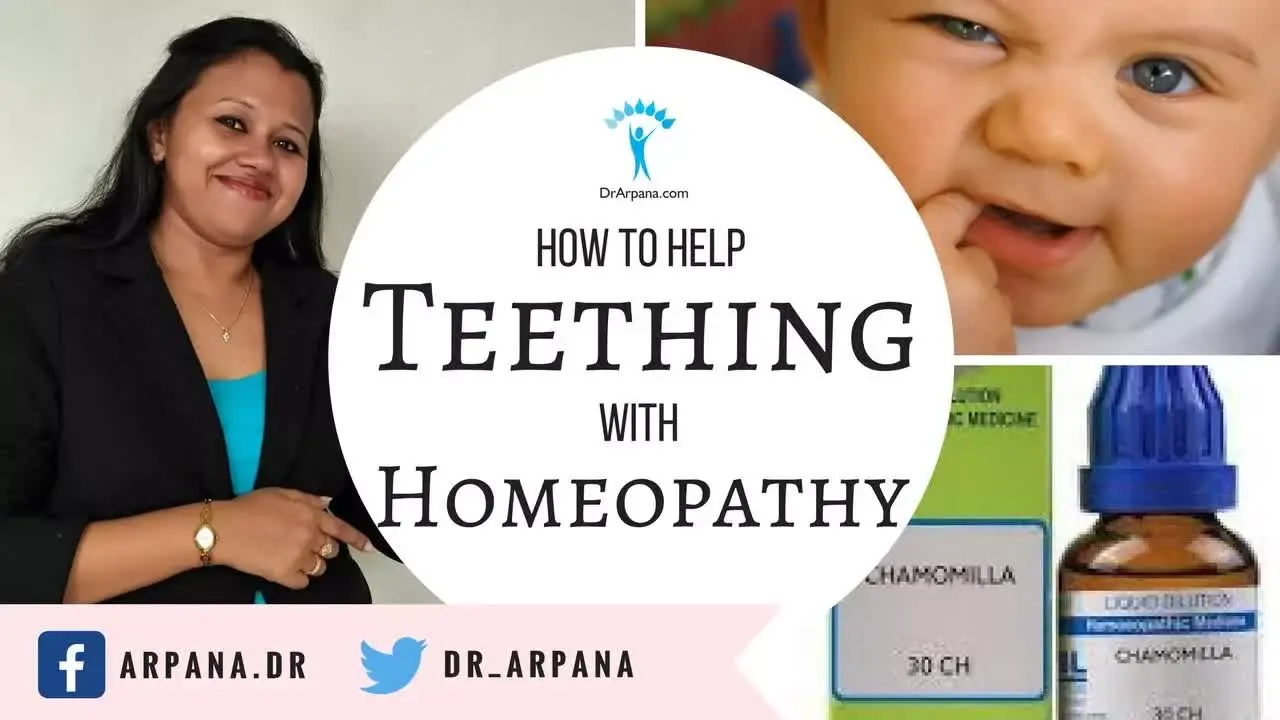
Teething is when a baby's first teeth push through the gums. It usually starts around six months of age, but it can begin earlier or later, and it often brings fussiness for a few days around each tooth.
Common Signs
- Increased drooling and a rash around the mouth or chin.
- Chewing on fingers and toys.
- Swollen, tender gums.
- Irritability and restless sleep.
- Rubbing the cheek or ear on the same side.
Simple Comfort Measures
- Give a clean, chilled (not frozen) teething ring.
- Gently rub the gums with a clean finger.
- Wipe drool often and apply a little moisturiser to the chin to protect the skin.
- Offer extra cuddles and a steady routine.
What to Avoid
- Teething necklaces, bracelets or strings, which can choke or strangle.
- Hard or frozen objects that can hurt the gums.
- Gels and medicines unless your paediatrician has advised them.
When to Call Your Paediatrician
- A fever of 38 °C (100.4 °F) or more, or a fever that lasts. In a baby under three months, any fever needs urgent medical care.
- Diarrhoea, vomiting or a baby who refuses feeds.
- Extreme crying that cannot be soothed.
- Teeth that have not appeared by around 18 months.
What Dr. Arpana Highlights
Dr. Arpana describes teething as the natural process in which a baby's first tooth comes through, usually between about six and ten months, a little earlier or later in some children. Babies may sleep and eat differently, be fussy, irritable and cry more, and have heavy drooling and sore gums. Some parents also notice loose or greenish motions.
She stresses one point above all: the same signs can come from an infection, including a middle-ear infection, so teething should not be assumed. If the baby is very unwell, the trouble persists, or there is fever or diarrhoea, see a paediatrician. Her comfort measures: gently rub the gums in circles with a well-washed finger, give a teething ring chilled in the fridge but never frozen, and wipe the drool often with a soft, slightly damp cloth, because a baby's skin is delicate and can become irritated or infected. If teething is very late, especially in a thin child with bowed legs, a nutritional cause such as calcium or vitamin D shortage should be checked by a paediatrician.
Frequently Asked Questions
Does teething cause fever?
A slightly raised temperature can occur, but a high fever usually has another cause and needs a doctor.
When do babies start teething?
Usually around six months, but healthy babies vary widely.
How should I clean the new teeth?
Wipe the gums and use a soft, small brush with a smear of toothpaste once teeth appear, as your dentist or paediatrician advises.
Read our guide on homeopathy for children or book a consultation.
This article is for general education. It is not a substitute for personal medical advice, diagnosis or emergency care. In an emergency, go to the nearest hospital.