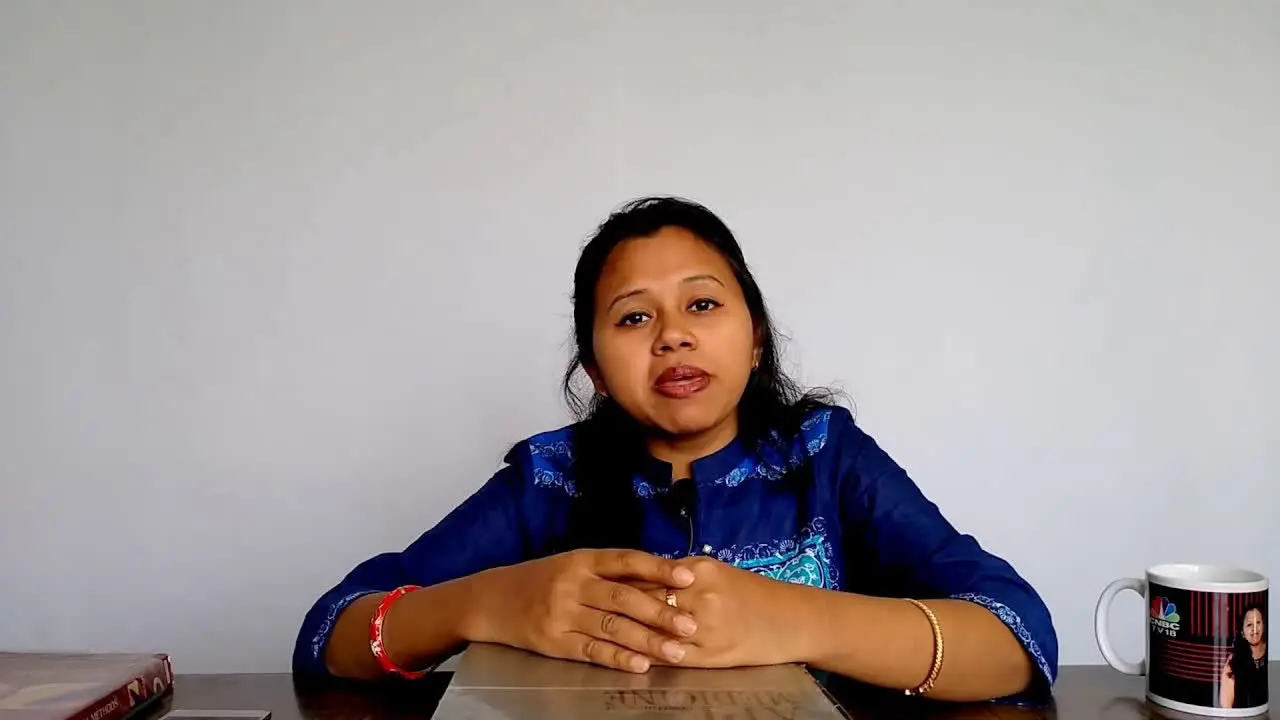
Ageing is a gradual process, and the skin is the first place where it shows. Fine wrinkles, blemishes, spots, uneven colour and sagging skin are the usual signs. Dr. Arpana explains what happens beneath the surface and what you can do about it.
What Happens Inside the Skin
Under the surface are fibres called elastin and collagen. They keep the skin toned and give it a firm texture. With age these fibres degenerate, and a process called glycation reduces their ability to regenerate. That is the main reason skin becomes looser and sags compared with a younger person's skin.
Other changes add to this. The body produces free radicals, which smoking and pollutants increase. With age, cells renew themselves less well, and the skin holds less water and has fewer blood vessels.
What Speeds Up Skin Ageing
- Smoking: nicotine narrows the blood vessels and promotes ageing.
- Sun exposure: years of unprotected sunlight cause photoageing.
- Pollution: air pollutants add to the free radicals.
- Genes, immunity and nutrition: family history, a weak immune system and poor nutrition all play a part.
Everyday Habits That Help
Dr. Arpana's message is that a healthy, balanced diet and a calm mind go a long way. Add sun protection, such as a hat, shade or sunscreen advised by your doctor, and do not smoke. Drink enough water and sleep well.
Frequently Asked Questions
At what age does skin ageing start?
It is a gradual process that continues through life. Habits such as sun protection and not smoking matter at every age.
Can diet really affect the skin?
Cells need good nutrition to renew themselves, so a balanced diet supports healthy skin.
When should I see a doctor?
See a doctor for a mole that changes, a sore that does not heal, or any sudden change in your skin.
You can read our guide on skin, hair and nails or book a consultation.
This article is for general education. It is not a substitute for personal medical advice, diagnosis or emergency care. In an emergency, go to the nearest hospital.