
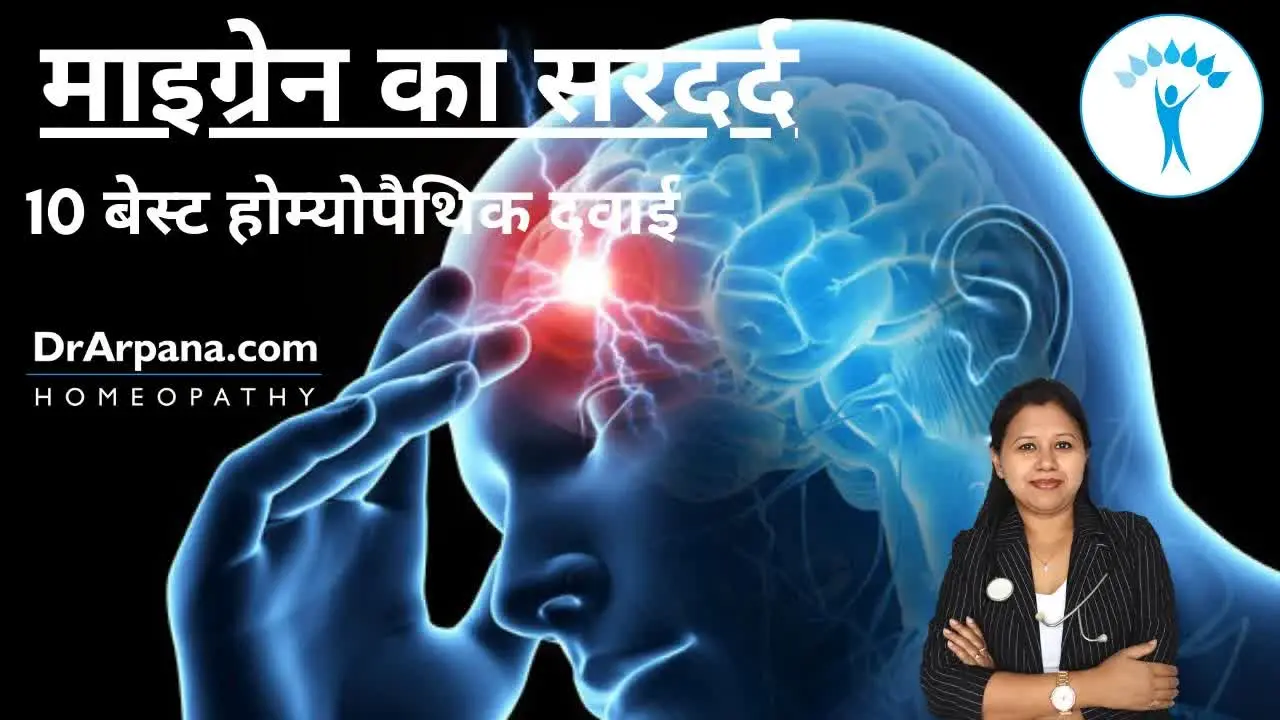
Headaches are very common. A migraine is a recurring headache that is often throbbing, usually on one side, and may come with nausea or sensitivity to light and sound. Tension-type headaches are more often a dull band of pressure around the head. Knowing which kind you have helps you and your doctor plan.
Common Signs
- Throbbing pain, often on one side of the head.
- Nausea or vomiting.
- Sensitivity to light, sound or smells.
- Visual changes before the headache, such as flashing lights or zigzag lines.
- Episodes lasting from a few hours to a few days.
When to See a Doctor Promptly
- A sudden, severe headache unlike any you have had.
- Headache with fever, a stiff neck or confusion.
- Weakness, numbness, trouble speaking or changes in vision that do not clear.
- A headache after a head injury.
- New headaches starting after the age of 50, or a clear change in your usual pattern.
In an emergency, go to the nearest hospital.
What Dr. Arpana Highlights
Dr. Arpana describes migraine as a throbbing, pulsating headache, most often on one side, though it can be felt across the whole head. Along with the pain, people may notice blurred vision, weakness, a stiff neck, tingling or numbness, and nausea or vomiting. Some feel better after vomiting, and some do not.
She points out the early warnings that many people learn to recognise. A day or two before an attack there can be neck stiffness or tightness. Shortly before the pain, from a few minutes up to an hour, an aura can appear: flashes of light, or a twitching or jerking feeling. These signs tell you an attack may be coming.
The common triggers she lists are stress and work pressure, heavy physical exertion such as long hours in the sun, fasting or skipped meals, and strain from long hours on screens or reading. Migraine often starts in the teens or early twenties and is seen more in women. A homeopathic consultation looks at your triggers, your routine and your overall health together. No outcome is promised, and any new weakness, numbness or trouble speaking needs urgent medical care.
Frequently Asked Questions
Do I need a scan?
Most people with a typical migraine do not. Your doctor decides from your history and examination. Bring any earlier reports.
What triggers a migraine?
Common triggers include poor sleep, skipped meals, stress, strong smells, screens and, in some women, hormonal changes. A simple headache diary helps to find your own.
Are painkillers a problem?
Taking painkillers very often can itself lead to more headaches. Do not stop or change prescribed medicines without talking to your doctor, and tell Dr. Arpana what you take.
You can book a consultation or read the frequently asked questions. This page is for general education and is not a substitute for personal medical advice.