
Video language: Hindi
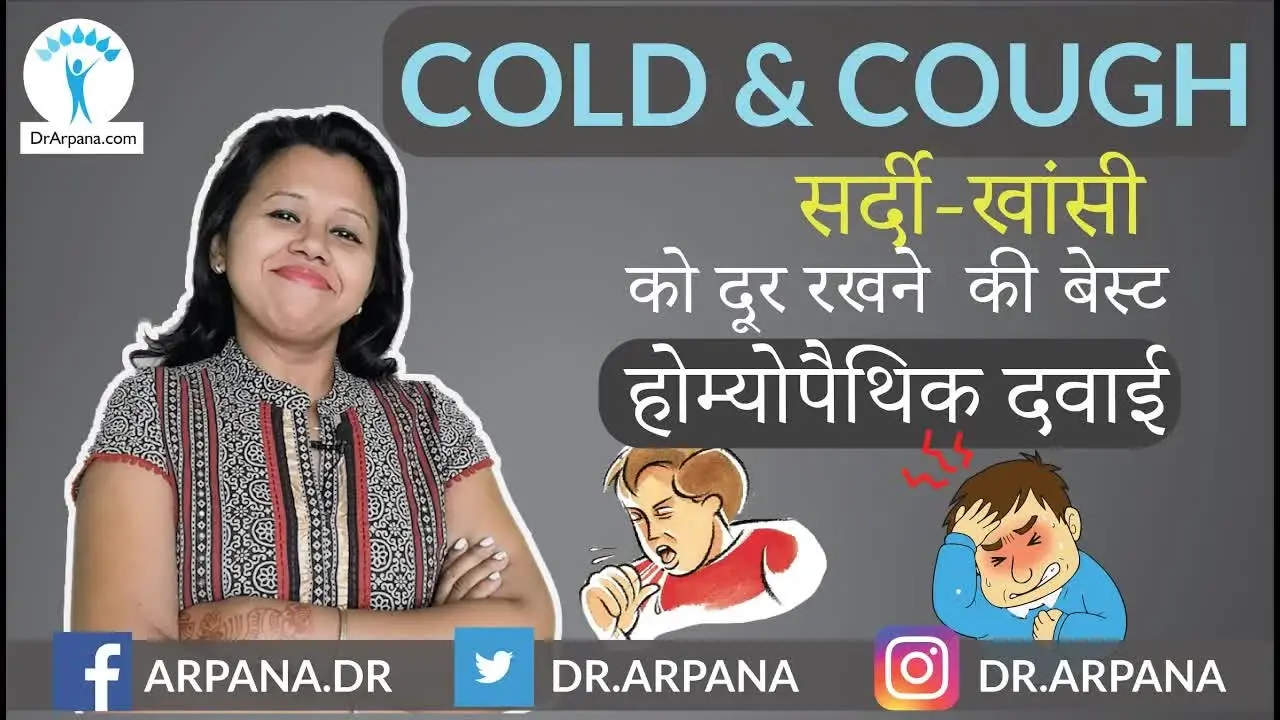
A cold and a cough are usually caused by viral infections, while allergic rhinitis is a reaction to things such as dust, pollen or smoke. They can look alike, and some people have repeated episodes through the year or at particular seasons.
Common Signs
- Sneezing, a blocked or runny nose and a sore throat.
- Itchy eyes or nose, which points more to allergy.
- A cough that may be dry or with phlegm.
- Symptoms that return with dust, weather change or particular seasons.
When to See a Doctor Promptly
- Difficulty breathing, wheezing or chest pain.
- A high fever that does not settle.
- A cough lasting more than three weeks or with blood in the phlegm.
- Symptoms in a young infant.
In an emergency, go to the nearest hospital.
What Dr. Arpana Highlights
Colds themselves are caused by viruses, but Dr. Arpana notes that many people first notice one after sudden exposure to cold air, for example stepping out in the morning without a cap, muffler, sweater or shawl. She describes a cold as something that moves in stages. At first the nose blocks, sneezing starts, and the head feels heavy. If it is not looked after, a tickle and soreness in the throat follow, then a cough, sinus trouble and chest congestion.
In a homeopathic consultation she pays close attention to the character of the symptoms. These include whether the phlegm is thick and stringy and hard to bring up, or yellow and plentiful, whether the cough is worse when lying down at night, whether the nose blocks on one side or at night, and whether the mouth is dry without thirst. These details help to understand your case as an individual.
Her practical advice is simple: dress warmly when you step into cold air. See a doctor promptly for breathing difficulty, high fever or a cough that lasts. No outcome is promised, and do not stop prescribed medicines without talking to your doctor.
Frequently Asked Questions
How do I tell a cold from an allergy?
Colds usually pass in about a week and may bring fever or body ache. Allergies tend to bring itching and last as long as the trigger. A doctor can help you tell them apart.
Are antibiotics needed?
Colds are usually viral, and antibiotics are used only when your doctor decides they are needed.
Can children use homeopathy for this?
Homeopathy is used at every age. A parent or guardian books and takes part, and the physician decides what suits the child.
You can book a consultation or read the frequently asked questions. This page is for general education and is not a substitute for personal medical advice.
Articles and Videos on Cough, Cold and Allergy
 Seasonal Health
Flu: Signs, Symptoms and How to Take Care
Flu comes on suddenly with fever, body ache and tiredness. Learn how it differs from a cold, how to care for yourself, and when to see a doctor.
3 min read · Video included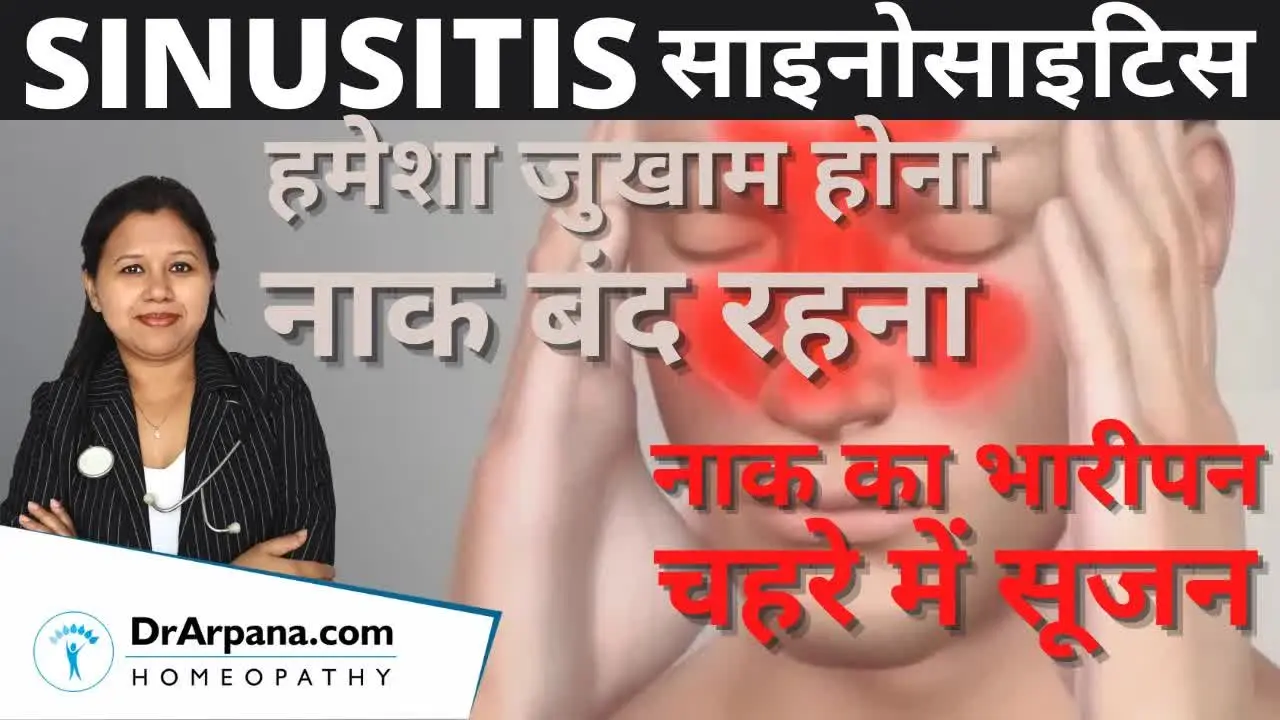 Common Complaints
Sinusitis: Causes, Signs and When to See a Doctor
Sinusitis means inflamed sinuses. Learn the common causes and signs, the difference between acute and chronic sinusitis, and when to seek medical advice.
3 min read · Video included