Video language: Hindi
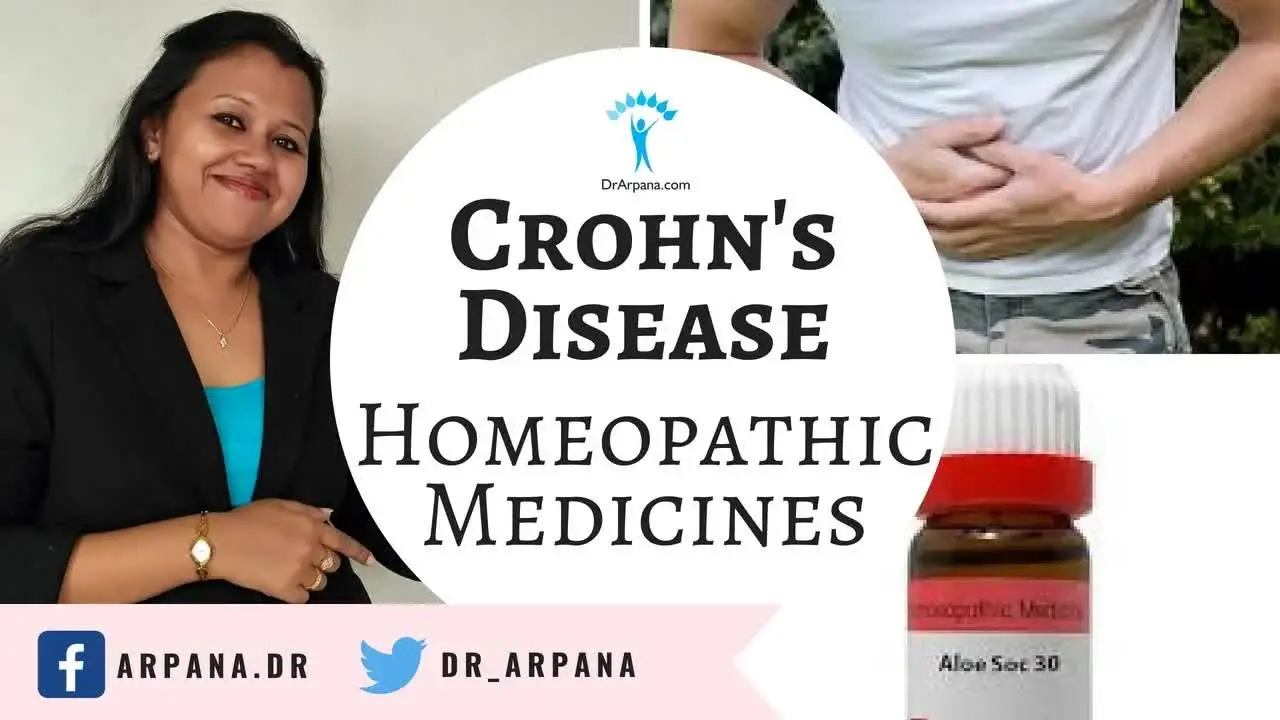
Crohn's disease is a type of inflammatory bowel disease (IBD). The other main type is ulcerative colitis. In Crohn's disease the body's immune system works against the digestive tract, causing swelling and ulcers anywhere from the mouth to the anus. It is a long-term condition that needs specialist care.
What Is Crohn's Disease?
Dr. Arpana explains that in Crohn's disease the body's immunity starts working against its own digestive tract. Inflammation and ulcers can appear anywhere from the mouth to the anal region, and the ulcers can be shallow or deep. It is a systemic disease, which means other organs can be affected as well.
Common Signs
- Abdominal pain and persistent loose motions.
- Excess gas, loss of appetite, nausea and vomiting.
- Difficulty swallowing food.
Other Parts of the Body It Can Affect
- Skin: rashes.
- Eyes: inflammation such as uveitis.
- Joints and bones: arthritis or thinning of the bones (osteoporosis).
- Anal region: fissures or fistulas.
Risk Factors
A family history, an inadequate diet and heavy smoking raise the risk. The disease is named by the area affected, for example ileitis, enteritis, enterocolitis or ileocolitis.
When to See a Doctor Promptly
- Blood in the stool, or black stools.
- Severe or constant abdominal pain, or fever.
- Weight loss that you cannot explain, or signs of dehydration.
Crohn's disease is diagnosed with blood tests, scans and a scope examination of the bowel, and a gastroenterologist usually guides the care.
What Dr. Arpana Highlights
She stresses that because Crohn's disease is chronic and affects the whole body, it needs careful case-taking and a physician's guidance. Anyone with a chronic illness should consult a physician before taking any medicine. No outcome is promised, and homeopathy is used alongside your specialist's care.
Frequently Asked Questions
Is Crohn's disease the same as ulcerative colitis?
They are the two main kinds of inflammatory bowel disease, but they affect the bowel differently. Your doctor will tell which you have.
Can diet cause Crohn's disease?
An unbalanced diet is a risk factor, but the disease involves the immune system and genes as well.
Do I need to stop smoking?
Yes. Heavy smoking raises the risk, and stopping is one of the most useful steps.
Read our guide on digestion, liver and urinary health or book a consultation.
This article is for general education. It is not a substitute for personal medical advice, diagnosis or emergency care. In an emergency, go to the nearest hospital.